


Blue Runtz Strain Review: Effects, Genetics & Aroma Guide
Blue Runtz Strain Review: A Deep Dive into Flavor, Genetics, and Unrivaled Relaxation There is a precise moment every budtender


Inflammation. It’s a word we hear often, linked to everything from a scraped knee to chronic diseases. While short-term inflammation is a vital part of our body’s healing process, chronic, long-lasting inflammation can become a destructive force, contributing to a wide range of health challenges. In the quest for wellness and balance, many people are exploring natural compounds, and Cannabidiol (CBD) has emerged as a significant topic of interest. But what does the science actually say about CBD and its potential effects on inflammation?

Here at East Tree CBD Dispensary, serving our community in Indiana and beyond, we believe in empowering our customers with knowledge. Let’s dive into the complex world of inflammation and explore the research surrounding CBD’s potential role.
At its core, inflammation is the body’s natural, protective response to injury, infection, or irritation. Think about a cut: the area becomes red, swollen, warm, and painful. This is acute inflammation in action. Immune cells rush to the site, releasing chemicals to fight off pathogens, clear debris, and initiate tissue repair. This process is essential for healing and is usually short-lived.
The problem arises when this inflammatory response doesn’t switch off. Chronic inflammation occurs when the body remains in a state of high alert, even without an immediate threat. This persistent, low-grade inflammation can damage healthy tissues and organs over time. It’s considered a key underlying factor in many debilitating conditions, including:
Managing chronic inflammation is crucial for long-term health, leading many to seek supportive strategies, including lifestyle changes and potential natural supplements like CBD.
Cannabidiol (CBD) is one of over a hundred naturally occurring compounds called cannabinoids found in the Cannabis sativa plant, particularly abundant in hemp varieties. Unlike its more famous cousin, delta-9-tetrahydrocannabinol (THC), CBD is non-psychoactive, meaning it doesn’t produce the “high” associated with marijuana. This property makes it an appealing option for those seeking potential therapeutic benefits without intoxication.
CBD is thought to interact with the body primarily through the Endocannabinoid System (ECS).
Discovered relatively recently, the ECS is a complex cell-signaling network present throughout the mammalian body, including in humans. It plays a crucial role in maintaining homeostasis – the body’s internal stability – by regulating a vast array of physiological processes. These include mood, sleep, appetite, memory, pain perception, immune function, and importantly, inflammation.
The ECS consists of three main components:
When an imbalance occurs (like excessive inflammation), the ECS steps in. Endocannabinoids bind to cannabinoid receptors, triggering signals that help restore balance.
Research into CBD’s anti-inflammatory potential is rapidly evolving, primarily through pre-clinical studies (cell cultures and animal models), with human clinical trials gradually increasing. Several mechanisms have been proposed based on this research:
Interaction with the ECS: While CBD doesn’t bind strongly to CB1 or CB2 receptors like THC does, it appears to influence the ECS indirectly. Some studies suggest CBD may inhibit the FAAH enzyme, which breaks down the endocannabinoid anandamide. Higher levels of anandamide could potentially lead to reduced pain and inflammation signaling. Furthermore, some evidence suggests CBD might act as an antagonist or inverse agonist at CB receptors under certain conditions, potentially modulating immune responses linked to CB2 receptor activity.
Modulating Cytokines: Cytokines are signaling proteins that orchestrate the inflammatory response. Pro-inflammatory cytokines (like TNF-α, IL-1β, IL-6, CXCL9, CXCL10) promote inflammation, while anti-inflammatory cytokines help resolve it. Numerous preclinical studies indicate that CBD can help modulate this balance, often showing a reduction in the production and release of key pro-inflammatory cytokines in various inflammatory models. This suggests CBD might help dial down an overactive inflammatory cascade.
Targeting Other Receptors: CBD’s influence extends beyond the classical cannabinoid receptors. Research indicates it interacts with other targets involved in inflammation and pain signaling:
Antioxidant Effects: Oxidative stress – an imbalance between free radicals and antioxidants – often goes hand-in-hand with chronic inflammation, creating a damaging cycle. Studies suggest CBD possesses potent antioxidant properties, potentially stronger than vitamins C and E in some assays. By neutralizing harmful free radicals, CBD may help reduce the oxidative damage that fuels inflammation.
Regulating Immune Cell Function: Chronic inflammation involves the persistent activation and migration of immune cells. Research, particularly in animal models of autoimmune diseases like multiple sclerosis (EAE model), suggests CBD may regulate immune cell activity, potentially inhibiting the infiltration of inflammatory macrophages into tissues and modulating the pro-inflammatory phenotype of certain immune cells.
While much research is preclinical, studies are exploring CBD’s potential in specific inflammatory conditions:
If you’re considering CBD for inflammation support, keep these points in mind:
The scientific exploration of CBD and inflammation reveals a compound with significant potential. Preclinical research strongly suggests that CBD possesses multifaceted anti-inflammatory properties, acting through the ECS, cytokine modulation, various receptor interactions, and antioxidant effects. While promising, it’s essential to acknowledge that high-quality human clinical trials are still needed to fully confirm these effects and establish definitive therapeutic guidelines.
CBD should not be viewed as a cure but rather as a potential tool within a holistic approach to managing inflammation, alongside conventional treatments, diet, exercise, and stress management.
If you have questions about CBD and its potential role in your wellness journey, we invite you to visit us at East Tree CBD Dispensary. Our knowledgeable team is here to provide information and guide you toward high-quality, lab-tested products. Contact East Tree Today
Disclaimer: This article is intended for informational purposes only and does not constitute medical advice. The statements made regarding these products have not been evaluated by the Food and Drug Administration. The efficacy of these products has not been confirmed by FDA-approved research. These products are not intended to diagnose, treat, cure, or prevent any disease. Always consult with your healthcare provider before starting any new supplement regimen, especially if you are pregnant, nursing, have a medical condition, or are taking other medications.

221 N East St, Indianapolis, IN 46204

9805 Fall Creek Rd, Indianapolis, IN 46256

2170 Merchants Square Dr, Carmel, IN 46032
Blue Runtz Strain Review: A Deep Dive into Flavor, Genetics, and Unrivaled Relaxation There is a precise moment every budtender
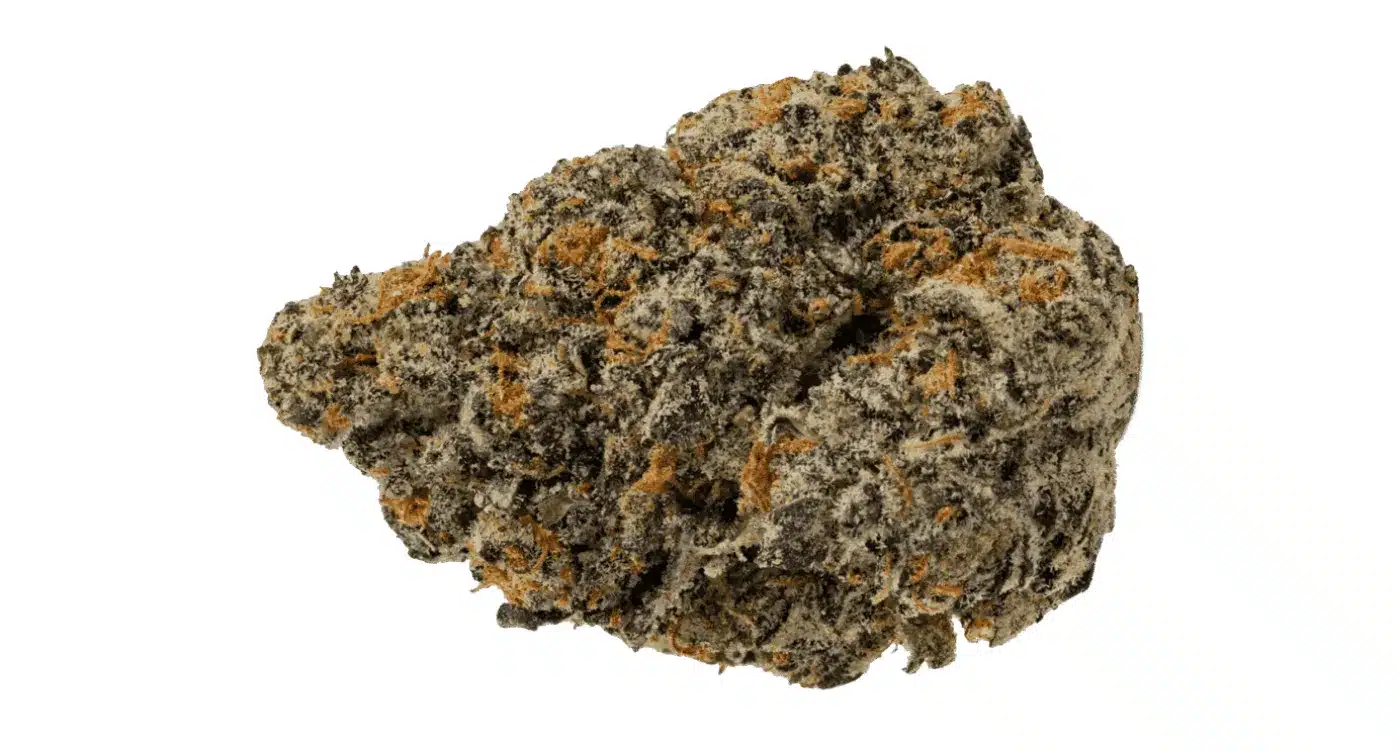
The Velvet Indulgence: An In-Depth Budtender Review of Chocolate Runtz There is something undeniably special about the moment a truly