
An Analysis of Indiana Senate Bill 478 (2025): Craft Hemp Flower and THC Product Regulation
1. Senate Bill 478 Summary
Indiana Senate Bill 478 (SB 478), introduced during the 2025 legislative session, represented a significant and comprehensive attempt to regulate the burgeoning market for hemp-derived cannabinoid products, particularly those containing psychoactive compounds like Delta-8 THC. Spurred by concerns over consumer safety, youth access, and the lack of oversight in a legally ambiguous market, the bill sought to establish a detailed framework encompassing licensing, testing, packaging, labeling, age restrictions, and enforcement mechanisms. Authored by Senator Travis Holdman and sponsored in the House by Representative Jake Teshka, the legislation garnered considerable bipartisan support, passing both chambers after multiple committee reviews and amendments.
Key provisions included assigning regulatory authority to the Alcohol and Tobacco Commission (ATC), implementing a three-tier permit system (manufacturer, distributor, retailer) with associated fees, mandating stringent laboratory testing for contaminants and potency, requiring detailed and tamper-evident packaging, setting a minimum age of 21 for purchase and possession, and establishing specific criminal and civil penalties for violations. The bill explicitly aimed to address the “wild, wild West” nature of the existing market, where untested and potentially unsafe products proliferated, often marketed in ways appealing to minors.
Despite its passage through both the Senate and House, SB 478 ultimately failed to become law. After the House amended the bill, the Senate dissented, sending the legislation to a conference committee tasked with reconciling the differences. This committee, however, failed to reach an agreement before the legislative session concluded, effectively killing the bill for the year. The failure stemmed from deep disagreements over core aspects of the proposed regulations, particularly concerning THC potency limits, product definitions, and the overall scope of the market access permitted under the bill. Strong opposition, notably from the Indiana Attorney General, who characterized the bill as a “Trojan Horse” that would legitimize high-potency intoxicating products, played a crucial role in the final deadlock.The demise of SB 478 leaves Indiana without a specific regulatory structure for hemp-derived THC products, perpetuating the legal uncertainty and public safety concerns that prompted the legislation in the first place.
2. Introduction: The Unregulated Landscape of Hemp Derivatives in Indiana
The federal Agriculture Improvement Act of 2018 (2018 Farm Bill) fundamentally altered the legal landscape for cannabis by removing hemp – defined as Cannabis sativa L. containing no more than 0.3% delta-9-tetrahydrocannabinol (Delta-9 THC) on a dry weight basis – from the federal Controlled Substances Act. This federal legalization spurred the rapid growth of a national market for hemp and its derivatives, including non-intoxicating cannabidiol (CBD) and, more recently, intoxicating cannabinoids like Delta-8 THC, Delta-10 THC, and Hexahydrocannabinol (HHC).
Indiana adapted its laws following the 2018 Farm Bill. Senate Enrolled Act 516 (SEA 516) in 2019 authorized commercial hemp production under state regulations managed by the Office of the Indiana State Chemist (OISC).Indiana Code defined legal “low THC hemp extract” similarly to the federal definition of hemp, allowing for CBD products meeting the 0.3% Delta-9 THC threshold. However, Indiana explicitly banned “smokable hemp” (defined to include hemp flower and bud intended for inhalation) through IC 35-48-4-10.1, making its manufacture, delivery, or possession a Class A misdemeanor. This ban faced legal challenges, with a federal district court initially granting an injunction against its enforcement in 2019, arguing it was likely preempted by the 2018 Farm Bill’s protection of interstate hemp transport, though the ultimate legal status remained complex.
Crucially, neither the 2018 Farm Bill nor initial Indiana state laws specifically addressed intoxicating cannabinoids other than Delta-9 THC that could be derived from legal hemp, such as Delta-8 THC. Delta-8 THC, an isomer of Delta-9 THC, produces psychoactive effects, albeit often reported as milder. Manufacturers developed methods to synthesize Delta-8 THC from hemp-derived CBD, creating products (gummies, vapes, tinctures) that technically complied with the 0.3% Delta-9 THC limit but were nonetheless intoxicating.
This created a significant legal gray area. Products containing Delta-8 THC and other intoxicating hemp derivatives proliferated across Indiana, often sold in gas stations, smoke shops, and online with minimal or no regulation regarding testing, labeling, or age restrictions. This lack of oversight led to widespread concerns about product safety (potential contaminants, inaccurate potency labeling), misleading marketing, and accessibility to minors. Investigations revealed products sold in Indiana containing illegal levels of Delta-9 THC despite labels claiming compliance.
In 2023, Indiana Attorney General Todd Rokita issued an official opinion concluding that Delta-8 THC and similar intoxicating hemp derivatives were illegal Schedule I controlled substances under existing Indiana law, arguing state law did not differentiate THC isomers derived from hemp versus marijuana. This opinion, however, was non-binding and faced legal challenges, adding to the confusion for businesses, consumers, and law enforcement. Law enforcement agencies reacted inconsistently, with some issuing warnings or conducting raids while others awaited legislative clarification. This backdrop of legal ambiguity, market proliferation, safety concerns, and conflicting interpretations set the stage for the introduction of SB 478 in the 2025 legislative session, representing the legislature’s most determined effort yet to address the issue.
3. SB 478 Bill Genesis and Objectives
SB 478 was introduced by Senator Travis Holdman (R-District 19) on January 16, 2025, with Senator Chris Garten (R) added as second author shortly thereafter. Representative Jake Teshka (R-District 7) served as the primary House sponsor. The bill attracted significant bipartisan support, eventually accumulating numerous co-authors and co-sponsors from both parties in the Senate and House, indicating a broad consensus on the need for regulation, even if disagreements existed on the specifics.
- Establish Consumer Safety Standards: To protect Hoosiers from potentially harmful or mislabeled products by mandating rigorous testing for contaminants (heavy metals, pesticides, toxins, solvents) and potency, along with strict packaging and labeling requirements. This addressed the core problem of the unregulated market being a “dumping ground” for unsafe products.
- Prevent Youth Access: To restrict the sale and marketing of intoxicating hemp products to individuals under 21 years of age through clear age limits, marketing restrictions, location restrictions (near schools), and penalties for violations. Concerns about packaging mimicking candy were explicitly cited.
- Create Regulatory Clarity and Enforcement: To eliminate the legal gray area surrounding hemp-derived intoxicants by establishing clear definitions, a licensing framework under the ATC, and defined enforcement mechanisms with penalties for non-compliance, providing guidance for industry, consumers, and law enforcement.
- Support the Legitimate Hemp Industry: To provide a predictable regulatory environment that would allow responsible Indiana hemp farmers, processors, and retailers to operate legally and compete effectively against illicit operators, thereby bolstering the state’s hemp market.
Representative Teshka articulated the goal as moving away from an unacceptable status quo and ensuring the safety of Hoosier youth and consumers came first in the effort to regulate the existing market. Proponents framed the bill not as legalization of marijuana, but as a necessary step to control and make responsible an industry already operating largely unchecked within the state.
4. Key Provisions of Senate Bill 478 (Engrossed Version Analysis)
SB 478, particularly in its later engrossed versions following amendments in both chambers, contained a complex set of regulations. The analysis below focuses on the key provisions as they stood in the version passed by the House on April 15, 2025, which subsequently went to the conference committee.
A. Definitions: Clarifying the Scope
The bill introduced and refined several key definitions to delineate the products being regulated:
- Craft Hemp Flower: Defined as the harvested flower of the Cannabis sativa L. plant containing ≤0.3% Delta-9 THC by weight or volume, intended for inhalation. It explicitly excluded agricultural hemp seed. This definition is crucial because while the products derived from this flower were the focus of legalization, the flower itself remained largely aligned with the definition of “smokable hemp,” which Indiana law prohibits outside licensed processing.
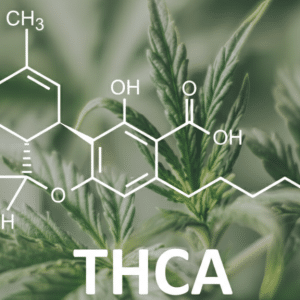
- Craft Hemp Flower Product: This was the central category being regulated for retail sale. It included substances derived from craft hemp flower, containing ≤0.3% Delta-9 THC and ≤0.263% THCA (Tetrahydrocannabinolic acid) by weight or volume, with no other controlled substances. Permitted forms were specified as gummies, edibles, drinks, tinctures, e-liquids, or non-consumable topicals. Importantly, smokable products were excluded. The inclusion of a specific THCA limit was a significant amendment, addressing concerns that high-THCA flower, while low in Delta-9 THC initially, converts to Delta-9 THC upon heating (decarboxylation), effectively becoming a high-potency product.
- THC (Tetrahydrocannabinol): The bill strategically changed references in certain existing laws from the specific “Delta-9 THC” to the broader term “THC”. This was likely intended to encompass other intoxicating isomers like Delta-8, Delta-10, and HHC within certain prohibitions (e.g., serving to intoxicated persons).
- Low THC Hemp Extract: Defined consistently with existing Indiana law (IC 35-48-1-17.5) and federal hemp definition (≤0.3% total Delta-9 THC by weight or volume, derived from hemp, no other controlled substances).The bill reiterated that this definition does not include smokable hemp or craft hemp flower itself.
- Exclusions: Explicitly stated that “craft hemp flower product” was not included in the definitions of “controlled substance analog,” “hashish,” “low THC hemp extract,” or “marijuana”. This was essential to carve out these specific, regulated products from existing prohibitions.
-
Table 1: Key Definitions in SB 478 (Engrossed)
| Term | Definition Summary | Key Constraints | Relevant Snippet(s) |
|---|---|---|---|
| Craft Hemp Flower | Harvested Cannabis sativa L.flower intended for inhalation | ≤0.3% Delta-9 THC (weight or volume) | |
| Craft Hemp Flower Product | Consumer product derived from craft hemp flower (gummies, edibles, drinks, tinctures, e-liquids, topicals) | ≤0.3% Delta-9 THC and ≤0.263% THCA (weight or volume); No other controlled substances; Specific mg/serving & mg/package limits for edibles/drinks/tinctures; Gram limits for e-liquids; Excludes smokable forms | |
| THC | General term replacing “Delta-9 THC” in some contexts | Intended to capture various intoxicating isomers | |
| Low THC Hemp Extract | Hemp-derived substance/compound | ≤0.3% total Delta-9 THC (weight or volume); No other controlled substances; Excludes smokable hemp/craft hemp flower | |
| Counterfeit Hemp Substance | Hemp flower product misrepresenting origin via unauthorized labeling | Protects consumers/producers from fraud |
These definitions attempted to create a legal space for specific, tested, and packaged intoxicating hemp products while maintaining the state’s broader prohibition on marijuana and smokable hemp. However, the complexity, particularly around THC isomers and THCA, became a major point of contention, with critics arguing the definitions still contained exploitable loopholes.
B. Testing, Packaging, and Advertising Standards
Recognizing the significant safety risks associated with unregulated products, SB 478 mandated stringent quality control measures:
-
- Potency: Total THC, THCA (to ensure compliance with defined limits), CBD, and other cannabinoids.
- Contaminants: Heavy metals (cadmium, lead, arsenic, mercury), pesticides, herbicides, mycotoxins, bacterial toxins (Shiga-Toxin E. coli, Salmonella spp., mold), and residual chemical solvents (e.g., butane, benzene, hexane).
- Specific Limits: The bill established parts-per-million (ppm) limits for heavy metals and solvents, and colony-forming-unit-per-gram (cfu/g) limits for microbiological contaminants. These limits aimed to ensure products were free from harmful substances often found in illicit or poorly manufactured goods.
-
Testing Requirements: Every batch of craft hemp flower product intended for sale required testing by an independent laboratory. The scope of testing was extensive, covering
- Potency: Total THC, THCA (to ensure compliance with defined limits), CBD, and other cannabinoids.
Table 2: Testing Requirements for Craft Hemp Flower Products (Engrossed)
| Category Tested | Specific Analytes / Metrics | Maximum Limit | Relevant Snippet(s) |
|---|---|---|---|
| Potency | Total THC, THCA, CBD, Other Cannabinoids | ≤0.3% Delta-9 THC, ≤0.263% THCA (by weight/volume) + per serving/package limits | |
| Heavy Metals | Cadmium, Lead, Arsenic, Mercury | 0.4 ppm, 0.5 ppm, 0.4 ppm, 0.2 ppm respectively | |
| Microbiological | Shiga-Toxin E. coli, Salmonellaspp., Culturable Mold | 1 cfu/g, 1 cfu/g, 10,000 cfu/g respectively | |
| Residual Solvents | Butane, Benzene, Heptane, Hexane, Toluene, Total Xylenes | 5,000 ppm, 2 ppm, 5,000 ppm, 290 ppm, 890 ppm, 1 ppm respectively | |
| Other | Pesticides, Herbicides, Mycotoxins | Not specified limits in snippets, but required testing |
- Packaging and Labeling: Products needed to be sold in tamper-evident packaging. Labels were required to display extensive information, accessible via a scannable barcode or QR code linking to a Certificate of Analysis (CoA) and other details. Required label information included: batch number, batch date, expiration date (max 2 years from harvest), batch size, quantity produced, ingredients, manufacturer details, a website for batch info, product weight/volume, and a clear statement that the product contained no more than 0.3% THC by weight or volume. Packaging for low THC hemp extract was also restricted from using misleading statements, artwork, or unauthorized trademarks that might appeal to minors or misrepresent the product. The ATC was given authority to approve packaging, with a provision deeming packaging approved if the ATC did not act within 30 days – a clause likely intended to prevent regulatory delays hindering market entry.
- Advertising: The bill established a regulatory framework for advertising, to be overseen by the ATC. A key component was the prohibition of marketing craft hemp products to minors. This directly addressed concerns about advertising practices in the unregulated market potentially targeting youth.
The level of detail in these testing and packaging requirements reflects a serious legislative effort to impose standards comparable to those in highly regulated industries, such as pharmaceuticals or legal cannabis markets in other states. This approach aimed squarely at mitigating the safety risks inherent in the previously unregulated products. However, implementing these standards would inevitably increase production costs. Such costs could act as a barrier to entry for smaller businesses, potentially favoring larger, better-capitalized companies capable of navigating the complex compliance landscape. This highlights a common tension in regulation: balancing rigorous safety standards with the goal of fostering a competitive and accessible market.
C. Licensing Framework: Permits, Fees, and ATC Oversight
SB 478 proposed establishing the Indiana Alcohol and Tobacco Commission (ATC) as the primary state agency responsible for regulating the craft hemp product market. This choice leveraged an existing agency with experience in licensing, enforcement, and managing age-restricted products like alcohol and tobacco. However, it also represented a significant expansion of the ATC’s duties, likely requiring additional staffing and resources to handle permit processing, inspections, and enforcement actions related to a completely new product category.
The bill outlined a multi-tiered permit structure to control the supply chain:
- Permit Types:
- Craft Hemp Retail Permit: Required for any entity selling craft hemp products directly to consumers. A restricted version was available for drug stores/grocery stores selling only certain low-THC items.
- Craft Hemp Distributor Permit: Required for entities distributing products to licensed retailers.
- Craft Hemp Manufacturer Permit: Required for entities involved in manufacturing craft hemp products.
- Out-of-State Craft Hemp Supplier Permit: Allowed entities outside Indiana to legally distribute products to Indiana permit holders.
- Craft Hemp Retail Permit: Required for any entity selling craft hemp products directly to consumers. A restricted version was available for drug stores/grocery stores selling only certain low-THC items.
- Operational Rules: Permit holders could potentially hold multiple types of permits (e.g., a manufacturer could also hold a retail permit). Retailers could only source products from licensed distributors or manufacturers, and distributors only from licensed manufacturers or suppliers, creating a closed-loop system designed for traceability. Work-in-progress hemp extract could be sold between licensees, specifically to manufacturers.Permits were initially proposed for one-year terms , though later fiscal notes mention two-year terms.
- Fees: Substantial fees were proposed to fund the ATC’s new responsibilities: $1,000 for each retail location, $5,000 for a distributor permit, and $5,000 for a manufacturer permit, applicable for both initial issuance and renewal. These fees were to be deposited into the state’s Enforcement and Administration Fund.
- Retail Permit Cap: The engrossed version of the bill set a cap of 20,000 retail permits statewide. This high number became a significant point of controversy. Critics, including Attorney General Rokita and some legislators like Rep. Wesco, argued that 20,000 permits (averaging over 200 per county) would make intoxicating products far too accessible, potentially flooding the market and increasing youth access. Later amendments considered reducing this cap significantly (one fiscal note analyzed a cap of 9,400) , indicating this was a key area of negotiation.
- Eligibility Requirements: Applicants needed to meet certain criteria, including age (21+ for individuals), authorization to do business in Indiana, and passing criminal background checks (disqualifying recent serious felony convictions). Retail operations needed to occur in permanent structures, and permit holders had to consent to warrantless inspections by ATC enforcement officers.
This licensing framework aimed to establish control over the market by defining who could participate at each stage of the supply chain, ensuring traceability, and generating revenue to cover regulatory costs. The debate surrounding the retail permit cap, however, exposed a fundamental conflict within the legislative effort. A high cap could maximize market participation, potentially increasing economic activity and tax revenue, aligning with goals of supporting the hemp industry. Conversely, a lower cap would limit the number of access points, aligning with public health goals focused on restricting the availability of intoxicating substances, especially given the concerns raised about the potency of the products allowed under the bill. This tension between market enablement and public health restriction became a critical sticking point that contributed to the bill’s failure.
Table 3: Licensing Framework under SB 478 (Engrossed)
| Feature | Details | Relevant Snippet(s) |
|---|---|---|
| Regulatory Body | Indiana Alcohol and Tobacco Commission (ATC) | |
| Permit Types | Retail, Distributor, Manufacturer, Out-of-State Supplier | |
| Permit Term | 1 year (or 2 years per later fiscal note) | |
| Key Fees (Initial/Renewal) | Retail: $1,000; Distributor: $5,000; Manufacturer: $5,000 | |
| Fee Deposition | Enforcement and Administration Fund | |
| Retail Permit Cap | 20,000 (Engrossed Bill – Highly Contested) | |
| Eligibility | 21+ years old (individuals), Business Authorization, Criminal Background Check (no recent serious felonies), Permanent Premises | |
| Supply Chain Control | Retailers buy from licensed Distributors/Manufacturers; Distributors buy from licensed Manufacturers/Suppliers | |
| Inspections | Consent to warrantless ATC inspections required |
D. Prohibitions: Age Limits, Location Restrictions, and On-Site Consumption Rules
To mitigate risks associated with intoxicating products, particularly concerning youth, SB 478 included several prohibitions mirroring those for alcohol and tobacco:
- Age Restrictions: The sale of craft hemp flower products and certain low THC hemp extracts (those containing specific elements, though not fully detailed in snippets) was strictly prohibited to anyone under 21 years of age.Correspondingly, it became a Class C infraction for individuals under 21 to purchase, accept, or possess these products. Online sales required robust age verification through third-party services or examination of government ID. This 21+ age limit was a cornerstone of the bill’s public health and safety provisions.
- Location Restrictions: Retailers were barred from selling craft hemp flower products if their establishment was located near a school, although the specific proximity was not defined in the available snippets. Furthermore, certain types of retail establishments – specifically those where tobacco, vape products, and craft hemp products constituted at least 85% of gross sales – were required to prohibit entry to anyone under 21, similar to regulations for vape shops or bars.
- Consumption Restrictions: On-site consumption of craft hemp products was generally prohibited. However, a notable exception was carved out: establishments holding both a retail craft hemp permit and a retail alcoholic beverage permit could serve craft hemp beverages in their original, sealed containers for consumption on the premises. This provision potentially opened a new market segment for hemp-infused drinks in bars and restaurants but also raised questions about encouraging the combined use of alcohol and THC products.
Sampling Restrictions: To prevent unregulated distribution and potential underage access, the bill prohibited permit holders from giving away free samples of craft hemp products at farmers’ markets.
E. Criminal Code Adjustments and Enforcement Mechanisms
SB 478 established a framework of penalties and enforcement actions to ensure compliance with its regulations:
-
- Class B Misdemeanors: Selling craft hemp/THC products to an intoxicated person; operating without the required permit (retail, distribution, manufacturing); knowingly acquiring products from an unpermitted source; selling adulterated products; illegal distribution/sale violating packaging/testing rules; possession by a minor.
- Class A Misdemeanors: Dealing craft hemp products to a minor (escalating to Level 6 or Level 5 felony under certain conditions like prior offenses or resulting injury); creating, delivering, or financing a counterfeit hemp substance; operating as a retail dealer without a valid certificate.
- Class C Misdemeanors: Possessing a craft hemp product with a broken seal while operating a motor vehicle or on a public highway right-of-way.
- Class C Infractions: Purchase, acceptance, or possession of a THC-containing product by a person under 21; violating entry restrictions for minors in certain retail establishments.
- Smokable Hemp Penalties: The bill included craft hemp flower (the raw plant material) within the existing definition of “smokable hemp” for the purposes of applying Class A misdemeanor penalties for possession or dealing outside the licensed manufacturing process.
New and Modified Criminal Offenses: The bill created several new criminal offenses and modified existing ones related to hemp products. These included
- Class B Misdemeanors: Selling craft hemp/THC products to an intoxicated person; operating without the required permit (retail, distribution, manufacturing); knowingly acquiring products from an unpermitted source; selling adulterated products; illegal distribution/sale violating packaging/testing rules; possession by a minor.
- Civil Penalties: The ATC was granted authority to impose civil penalties for various violations, particularly those related to underage sales and permit infractions. Penalties for selling to minors were structured to escalate significantly for repeat offenses within a two-year period, starting at $1,000 and rising to $5,000 (with potential permit suspension) and then $10,000 (with potential permit revocation). Failure to pay civil penalties could also lead to permit suspension.
Enforcement Structure: A dual system was envisioned: the ATC would handle permit issuance, inspections, administrative violations, and civil penalties , while state and local law enforcement agencies and the court system would address the criminal offenses defined in the bill.
This comprehensive penalty structure aimed to deter violations and provide regulators and law enforcement with tools to manage the new market. The decision to incorporate craft hemp flower under the existing penalties for dealing in smokable hemp created a potentially confusing legal situation. While the bill sought to legalize and regulate productsmade from the flower, it simultaneously reinforced criminal penalties associated with the flower itself if possessed or distributed outside the narrow confines of the licensed manufacturing-to-retail supply chain. This complexity could have led to significant challenges in enforcement, requiring officers and prosecutors to carefully distinguish between legal, regulated “craft hemp flower products” and illegal “smokable hemp” or unregulated flower, potentially based on packaging, testing documentation, and context of possession.
Table 4: Summary of Key Violations and Penalties under SB 478 (Engrossed)
| Violation | Penalty Type | Max Fine / Jail / Other | Responsible Agency | Relevant Snippet(s) |
|---|---|---|---|---|
| Sale/Distribution to Person Under 21 | Class A Misdemeanor (criminal); Escalating Civil Penalties | $5,000 / 1 year (criminal); $1k/$5k/$10k + suspension/revocation (civil) | Law Enforcement / ATC | |
| Purchase/Possession by Person Under 21 | Class C Infraction (criminal); Class B Misdemeanor (criminal) | $500 (infraction); $1,000 / 180 days (misdemeanor) | Law Enforcement | |
| Operating Without Required Permit (Sale, Manufacture, Distribution) | Class B Misdemeanor | $1,000 / 180 days | Law Enforcement / ATC | |
| Dealing/Possessing Craft Hemp Flower (outside licensed process) | Class A Misdemeanor (under smokable hemp def.) | $5,000 / 1 year | Law Enforcement | |
| Creating/Delivering Counterfeit Hemp Substance | Class A Misdemeanor | $5,000 / 1 year | Law Enforcement | |
| Possession w/ Broken Seal in Vehicle | Class C Misdemeanor | $500 / 60 days | Law Enforcement | |
| Selling Adulterated Product | Class B Misdemeanor | $1,000 / 180 days | Law Enforcement / ATC | |
| Selling to Intoxicated Person | Class B Misdemeanor | $1,000 / 180 days | Law Enforcement / ATC | |
| Failure to Pay ATC Civil Penalty | Permit Suspension | N/A | ATC |
5. Legislative Trajectory: A Bill’s Difficult Path
SB 478 undertook a complex journey through the Indiana General Assembly during the 2025 session, ultimately failing despite clearing numerous hurdles:
- Introduction and Initial Committee Work (Senate): Introduced by Sen. Holdman on January 16, 2025, and referred to the Senate Committee on Commerce and Technology. It gained bipartisan co-authors early on. The committee amended the bill and reported it favorably on February 6, but due to its fiscal implications, it was reassigned to the Committee on Tax and Fiscal Policy. That committee also amended the bill and passed it favorably on February 11.
- Senate Floor Action: On February 13, the bill underwent its second reading on the Senate floor, where it was amended again (Amendment #2 by Sen. Johnson T prevailed) and ordered engrossed. On February 20, SB 478 passed its third reading in the Senate with a decisive, bipartisan vote of 40 Yeas to 9 Nays. It was then referred to the House, with Rep. Teshka designated as the House sponsor.
- House Committee Gauntlet: Upon arrival in the House on March 3, the bill was assigned to the Committee on Commerce, Small Business and Economic Development. On March 20, the committee amended and passed the bill but, likely due to the licensing fees and potential state revenue impact, recommitted it to the Committee on Ways and Means pursuant to House rules. On April 3, Ways and Means amended and passed the bill, but then recommitted it again, this time to the Committee on Courts and Criminal Code, indicating scrutiny of the bill’s creation of new crimes and penalties. That committee amended and passed the bill on April 9. This series of recommittals demonstrates the multi-faceted nature of the bill, requiring review from committees focused on business regulation, state finance, and criminal law.
- House Floor Action: On April 14, during the second reading on the House floor, two significant amendments offered by sponsor Rep. Teshka (Amendments #9 and #11) were adopted. Amendment #11 required a division vote, passing 62-31, suggesting it was potentially more controversial than Amendment #9 which passed by voice vote. The specific content of these late amendments is critical, as they created the differences the Senate would later reject. On April 15, the amended bill passed its third reading in the House, again with bipartisan support, by a vote of 60 Yeas to 37 Nays.
- Conference Committee and Demise: Because the House passed an amended version, the bill was returned to the Senate on April 16. The Senate formally dissented from the House amendments the same day, triggering the need for a conference committee to resolve the differences. Key leaders and relevant committee members were appointed as conferees (Sens. Holdman, Pol; Reps. Teshka, Gore) and advisors (Sens. Niezgodski, Baldwin; Reps. Wesco, Prescott, Morris, Miller K) from both parties and chambers. The conference committee held meetings, including one scheduled for April 21. However, the committee ultimately failed to reach a compromise agreement or issue a conference committee report before the legislative session adjourned Sine Die. Without a final agreed-upon version passed by both chambers, the bill died.
The bill’s progression through multiple committees in both houses, involving several amendments and recommittals, indicates significant legislative engagement and attempts to refine the complex proposal. The recommittals to fiscal and criminal code committees highlight the bill’s broad impact and the careful scrutiny it received regarding state finances and law enforcement implications.
The fact that the bill passed both chambers with substantial bipartisan majorities, only to fail in the conference committee, is particularly telling. It suggests that while there was general agreement on the need to regulate the hemp-derived THC market, the specific provisions adopted in the final House amendments, or perhaps issues magnified by late-stage opposition (like the Attorney General’s critique), created insurmountable disagreements among the key negotiators tasked with finalizing the legislation. The failure was not due to lack of broad legislative will to act, but rather an inability to reconcile specific, contentious details in the final hours of the session.
6. The Crucible of Debate: Stakeholder Perspectives and Key Controversies
The journey of SB 478 was marked by vigorous debate among various stakeholders, revealing fundamental disagreements about how to approach intoxicating hemp-derived products in a state that prohibits marijuana.
- Proponents’ Arguments: Led by sponsors like Rep. Teshka and industry groups such as the Midwest Hemp Council (represented by Justin Swanson), proponents consistently argued that regulation was essential to address a dangerous and chaotic status quo. They characterized the unregulated market as the “wild, wild West,” filled with untested, potentially unsafe products, including those containing illegal levels of Delta-9 THC or harmful contaminants, and often marketed attractively to minors. SB 478, they argued, would establish crucial “safety guard rails” through mandatory testing, clear labeling, tamper-evident packaging, and a strict 21+ age limit, enhancing consumer protection and allowing informed choices. They also contended that regulation would legitimize the responsible hemp industry in Indiana, providing clarity and predictability, weeding out bad actors through licensing, and creating opportunities for Hoosier farmers and businesses. Pragmatically, they positioned the bill’s potency limits as a significant reduction compared to extremely high-dose products already available illicitly.
- Potency Loopholes: The AG argued the 0.3% Delta-9 THC limit applied only to the source hemp, not necessarily the final product concentration. He decried the per-serving limits (e.g., 100 mg THC for edibles) as excessively high—ten times the typical limit in states with legal marijuana markets (10mg/serving)—and the per-package limits (3,000 or 3,600 mg) as enormous. The allowance of potency measurement by volume, not just dry weight, was seen as enabling manufacturers to manipulate product size to increase total THC content legally.
- THCA Concerns: The potential for high-THCA products to become potent Delta-9 THC products upon heating was highlighted as a major flaw.
- Excessive Accessibility: The initial 20,000 retail permit cap drew sharp criticism for potentially flooding the state with access points, undermining efforts to limit youth access. Online sales were also flagged as a risk for underage purchase.
- Insufficient Regulation: Critics felt the bill expanded loopholes rather than closing them. The AG recommended more drastic measures: banning synthetic cannabinoids, significantly lowering THC caps (e.g., to 2.5 mg/serving), restricting retail and online sales, and imposing taxes.
Opponents’ Arguments: The most vocal and detailed opposition came from Indiana Attorney General Todd Rokita, supported by anti-marijuana groups and some conservative lawmakers. The AG issued a strongly worded letter during the conference committee phase, labeling SB 478 a “Trojan Horse” that, under the guise of regulation, would effectively legalize high-potency intoxicating THC products and create a loosely regulated “parallel cannabis market” outside Indiana’s marijuana laws. Key criticisms focused on:
- Potency Loopholes: The AG argued the 0.3% Delta-9 THC limit applied only to the source hemp, not necessarily the final product concentration. He decried the per-serving limits (e.g., 100 mg THC for edibles) as excessively high—ten times the typical limit in states with legal marijuana markets (10mg/serving)—and the per-package limits (3,000 or 3,600 mg) as enormous. The allowance of potency measurement by volume, not just dry weight, was seen as enabling manufacturers to manipulate product size to increase total THC content legally.
- Other Stakeholders:
- State Agencies (OISC, ATC): Fiscal notes indicated potential workload increases and the need for resources, though the ATC’s costs were expected to be offset by permit fees. The OISC, responsible for hemp cultivation licensing, noted its role did not extend to regulating finished retail products.
- Business and Industry Groups (Chamber, Retail Council): While SB 478 directly impacted retailers and the broader business climate, specific positions from the Indiana Chamber of Commerce or the Indiana Retail Council were not detailed in the provided research materials. The Chamber’s general legislative priorities focused elsewhere (taxes, healthcare, etc.). The Retail Council would have been concerned with implementation details like licensing, age verification, and penalties.
- Law Enforcement (Sheriff’s Association): No specific position from the Indiana Sheriff’s Association on SB 478 was found. Law enforcement faced challenges with the existing ambiguity and would have been tasked with enforcing the new criminal provisions had the bill passed.
- State Agencies (OISC, ATC): Fiscal notes indicated potential workload increases and the need for resources, though the ATC’s costs were expected to be offset by permit fees. The OISC, responsible for hemp cultivation licensing, noted its role did not extend to regulating finished retail products.
Cannabis Reform Advocates (NORML): While not directly focused on SB 478, groups like NORML advocate for broader marijuana legalization. They likely viewed SB 478 as insufficient, as it regulated hemp derivatives while maintaining marijuana prohibition, a stance supported by Governor Holcomb.
7. Analytical Insights and Potential Implications
Although SB 478 failed to become law, analyzing its provisions and the debate surrounding it offers valuable insights into the challenges of regulating hemp-derived cannabinoids and the potential consequences of inaction.
A. Impact Assessment (Hypothetical)
Had SB 478 passed, its effects would have been multifaceted:
- Consumers: Would have benefited from access to products tested for potency and contaminants, reducing risks associated with the illicit market. Clearer labeling would enable more informed purchasing decisions. However, prices might have risen due to manufacturers’ compliance costs, and product variety could have initially decreased as non-compliant products were removed. The high potency limits, while regulated, still posed potential health risks if misused.
- Industry: Legitimate businesses prepared to meet the stringent testing, packaging, and licensing requirements might have thrived by gaining consumer trust and facing less competition from illicit operators. However, the significant costs associated with licensing ($1,000-$5,000 fees) and compliance (lab testing, packaging) could have created substantial barriers, potentially leading to market consolidation favoring larger, well-funded companies. The continued prohibition on selling hemp flower within Indiana, despite allowing its cultivation for export or processing, limited opportunities for certain segments of the agricultural and processing sectors.
- Public Health: The bill aimed to improve public health by reducing exposure to unsafe products and restricting youth access. Mandatory testing would have addressed contamination risks. Age limits (21+), marketing restrictions, and school proximity rules were designed to curb underage use. However, the high allowable THC potency per serving (100 mg) remained a significant concern, potentially normalizing high-dose consumption and increasing risks of adverse effects or dependency, especially compared to limits in legal marijuana states. The high retail permit cap (20,000) and allowance for online sales also raised concerns about widespread availability potentially undermining youth prevention efforts.
- State Agencies: The ATC would have faced a major new undertaking, requiring significant resources for permitting, rulemaking, inspections, and enforcement, potentially offset by fee revenue. OISC’s role would likely see a smaller impact, mainly related to potential increases in hemp cultivation licenses if the market expanded.Law enforcement and the judicial system would have needed to adapt to new criminal statutes and definitions.
- Economic Impact: The state anticipated significant revenue from permit fees (potentially up to $8.3M annually from retail permits alone if all tobacco sellers applied). A regulated market could foster job growth in cultivation, processing, testing, distribution, and retail sectors, contributing to the state’s economy. However, the economic benefits needed to be weighed against the costs of regulation and potential public health impacts. The provided research offers general context on hemp’s economic potential but lacks specific analysis for SB 478’s impact in Indiana. Ultimately, SB 478 represented a complex trade-off. It offered the promise of enhanced consumer safety, industry legitimacy, and state oversight in exchange for potentially normalizing high-potency THC products and imposing considerable regulatory burdens. Its failure means the unregulated market persists, leaving consumers exposed to risks, businesses operating in uncertainty, and the state without regulatory control or associated revenue. ### B. Legal and Regulatory Analysis From a legal and regulatory standpoint, SB 478 was an ambitious effort that faced inherent challenges: * **Effectiveness and Enforcement:** The bill’s success would have hinged on the ATC’s ability to effectively implement and enforce the complex rules, including robust oversight of testing labs and packaging compliance. The high potency limits and the nuanced distinctions between legal “craft hemp flower products” and illegal “marijuana” or “smokable hemp” could have created persistent enforcement difficulties for police and prosecutors. Distinguishing legal, high-THCA products intended for processing from illegal marijuana flower, for example, could prove challenging in the field. * **Alignment with Federal Law:** While SB 478 attempted to operate within the framework of the 2018 Farm Bill by regulating derivatives of legal hemp ($\le 0.3%$ Delta-9 THC), its allowance for high concentrations of other intoxicating isomers (Delta-8, HHC, etc.) and high per-serving THC limits arguably pushed the boundaries of the federal law’s intent, which was focused on non-intoxicating industrial hemp. The Attorney General explicitly argued the bill exploited loopholes rather than aligning with the spirit of state and federal controlled substance laws. The unresolved conflict with Indiana’s own smokable hemp ban further complicated the legal picture.
- Validity of Criticisms: The Attorney General’s technical criticisms regarding potency limits and definitions appear well-founded based on the engrossed bill text. Allowing 100 mg THC per serving is substantially higher than standards in regulated marijuana markets. The distinction between the 0.3% Delta-9 limit applying to the plant versus the final product, and the potential for manipulating potency calculations using volume instead of dry weight, represented significant potential weaknesses that could allow for extremely potent products to be legally sold. These specific, technical flaws likely undermined confidence in the bill’s ability to effectively regulate intoxicating substances as intended by proponents.
SB 478 represented a potentially flawed attempt to thread a difficult needle. While it addressed immediate safety concerns through testing and packaging mandates, its fundamental definitions and potency allowances were highly contentious. These core issues arguably created new legal risks and loopholes, contributing significantly to the stakeholder opposition and the ultimate legislative failure. The bill’s inability to cleanly resolve the status of various THC isomers and the lingering conflict with the smokable hemp ban highlighted the difficulty of regulating these products within Indiana’s existing legal framework.
C. Comparative Glance: Indiana’s Approach in Context
Comparing SB 478’s proposed approach to how neighboring states handle hemp-derived THC and cannabis reveals Indiana’s unique position:
- Michigan: Legalized recreational marijuana. Took a decisive approach in 2021 by classifying Delta-8 THC as marijuana, bringing it under the purview of the Cannabis Regulatory Agency (CRA) and requiring it to be sold only through licensed marijuana dispensaries. Michigan uses a broad definition of THC that includes isomers and requires testing for total potential THC (including THCA after decarboxylation), effectively closing the loophole exploited in other states.
- Illinois: Legalized recreational marijuana. Despite this, Illinois has struggled, much like Indiana, to pass legislation regulating intoxicating hemp derivatives like Delta-8 and THCA. Proposed legislation (e.g., HB 4293, which failed) aimed to impose testing, packaging, and age limits (21+), potentially restricting the sale of intoxicating hemp products to licensed cannabis dispensaries, but legislative infighting prevented passage. Some local governments are enacting their own ordinances (e.g., Oak Park setting age limits).
- Ohio: Legalized recreational marijuana via ballot initiative in late 2023. The legislature has since debated modifications to the voter-approved law, including potential THC potency caps (e.g., 35% for flower, 70% for extracts), tax rate changes, and restrictions on public consumption and home cultivation. Ohio’s focus is on refining its legal marijuana market, a different context than Indiana’s attempt to regulate hemp derivatives while prohibiting marijuana.
- Kentucky: Medical marijuana program approved but not yet operational (launch expected Jan 2026). Kentucky has taken steps to regulate hemp-derived cannabinoids like Delta-8 since late 2022/2023 through executive orders and legislation. Recent 2025 legislative efforts (SB 202) moved away from a proposed ban towards regulation, including a 5mg THC cap per beverage, state study, age limits (21+), and a business registry under the Cabinet for Health and Family Services. Kentucky provides an example of regulating hemp-derived THC separately and more restrictively than SB 478 proposed.
Indiana’s SB 478 proposed a distinct path: creating a new regulatory system under the ATC (unlike Michigan folding it into marijuana rules), allowing sales outside of licensed dispensaries (unlike Michigan or proposed IL rules), and permitting significantly higher THC potencies than Kentucky’s approach or standard marijuana market limits. This unique combination – a separate system but with permissive potency – proved highly controversial and ultimately politically untenable in Indiana’s cannabis-prohibitive environment. The comparison highlights the lack of a uniform approach nationally and underscores the specific challenges Indiana faced in crafting its own solution.
8. Regulation Deferred, Uncertainty Persists
Indiana Senate Bill 478 (2025) represented the state’s most comprehensive legislative effort to date aimed at imposing order, safety standards, and regulatory oversight onto the rapidly expanding and largely uncontrolled market for hemp-derived intoxicating cannabinoid products like Delta-8 THC. Driven by bipartisan concerns over consumer safety, youth access, and legal ambiguity, the bill proposed a detailed framework involving the ATC, stringent testing and packaging mandates, clear age restrictions, and a licensing system for manufacturers, distributors, and retailers.
Despite successfully navigating multiple committees and passing both the Senate and House with considerable bipartisan support, SB 478 met its demise in the conference committee during the final days of the legislative session.The failure to reconcile differences between the Senate and House versions stemmed primarily from fundamental disagreements on core provisions, particularly the allowable THC potency limits, the precise definitions distinguishing legal hemp products from illegal marijuana, and the overall accessibility of these intoxicating products through measures like the retail permit cap. Forceful opposition from key figures, most notably Attorney General Todd Rokita, who argued the bill created dangerous loopholes rather than effectively regulating, significantly influenced the outcome by hardening positions during the critical final negotiations.
The consequence of SB 478’s failure is the continuation of the status quo in Indiana. The legal standing of Delta-8 THC and similar products remains uncertain, largely governed by the Attorney General’s contested 2023 opinion declaring them illegal, yet enforcement remains inconsistent. The unregulated “wild, wild West” market persists, posing ongoing risks to consumers from untested and mislabeled products, allowing potential access by minors, and leaving legitimate businesses and law enforcement operating in a state of confusion. The state also forgoes the potential revenue and control that a regulatory system could provide.
Looking ahead, the pressures that led to SB 478’s introduction have not dissipated. Indiana lawmakers will likely face continued calls to address the regulatory vacuum for hemp-derived intoxicants in future sessions. However, the deep divisions exposed during the SB 478 debate – particularly regarding acceptable potency levels and the fundamental approach to regulating substances derived from legal hemp within a marijuana-prohibiting state – must be overcome. Any future legislative success will require finding a compromise that bridges the gap between ensuring public safety, satisfying industry demands for clarity, and navigating the complex legal and political landscape surrounding all cannabis-related products in Indiana.
The saga of SB 478 serves as a stark illustration of the difficulties states encounter when attempting to reconcile the federal definition of hemp with the market reality of intoxicating derivatives produced from it. Indiana’s experience underscores that crafting a politically viable and effective regulatory path demands careful navigation of intricate legal definitions, significant public health anxieties, competing economic interests, and entrenched political viewpoints on cannabis. Until such a path is found, uncertainty and risk will continue to characterize Indiana’s market for these products.